Grinding Mill Selection: Matching the Machine to the Particle Size
Release time:2026-10-26 Visits:26
Buyers often arrive at a grinding mill decision with a material in hand and a target number in mind, then start shopping by machine type. That order is backwards. The target particle size, the carrier liquid and the production volume decide the machine — not the other way round.
This article walks through the main
grinding mill families, what each one is good at, and how to compare them on a like-for-like basis. The examples and figures come from Wuxi Xinyang Equipment Technology Co., Ltd., a grinding mill manufacturer in Yixing, Wuxi, Jiangsu, China.
Start With the Number You Need to Hit
Fineness is the first filter. The table below is a reasonable map of where each technology sits.
|
Target fineness |
Practical machine families |
|
100–20μm |
High-shear dispersers, roller mills, universal disc mills |
|
20–2μm |
Disc bead mills, horizontal ball mills |
|
2μm–100nm |
Rod pin bead mills, turbine mills |
|
Below 100nm |
Rod pin or turbine bead mills with 0.03–0.3mm media |
|
500–800nm (dry powder) |
Vibration mills, jet mills |
Two rules survive across every family: you cannot reach a target that is below the smallest media your machine can hold, and you cannot hold a fineness you cannot cool.
Wet Grinding Mills
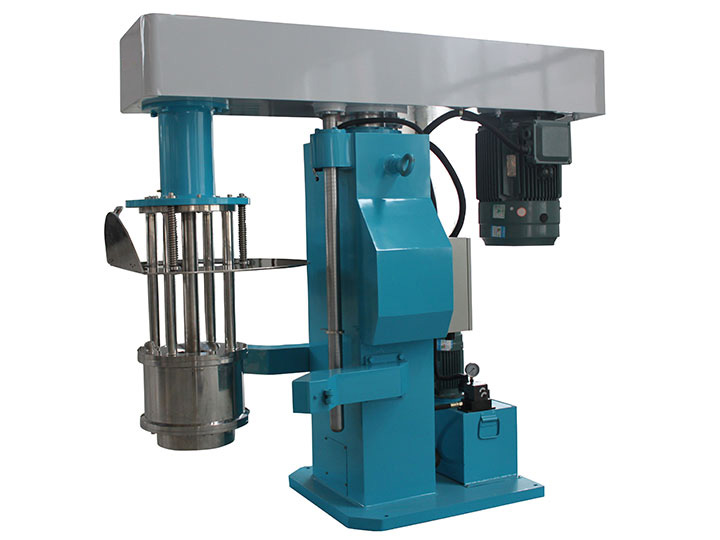
Sand and bead mills
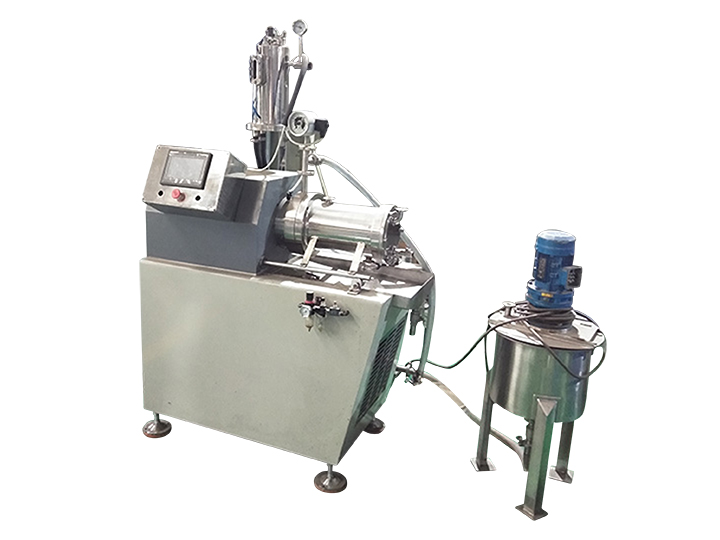
NT-X series ceramic turbine nano grinding mill
The largest family, and the one most plants mean when they say
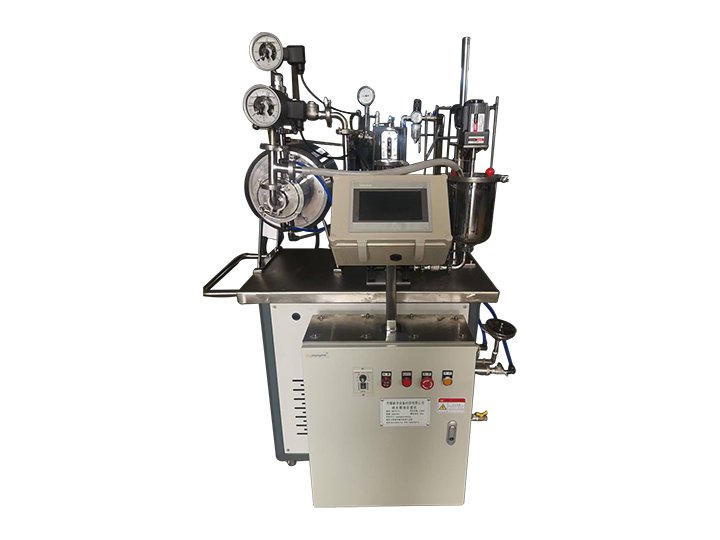
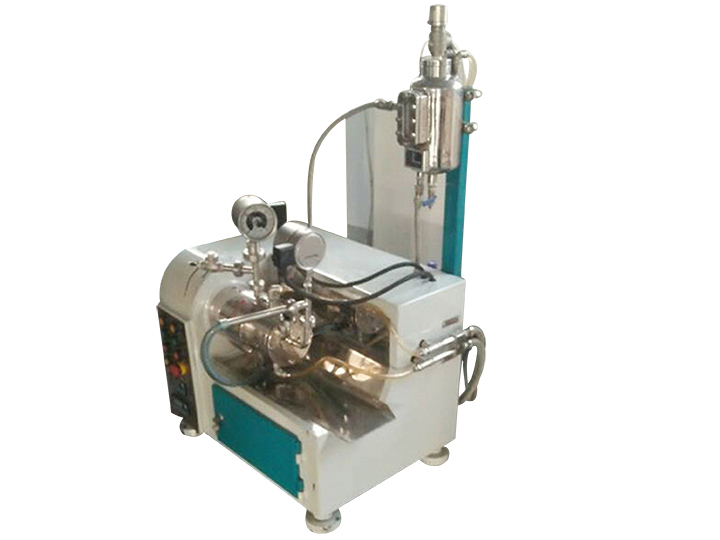
grinding mill in a coatings, ink, battery or pesticide context. A rotating rotor agitates a bed of small beads in a liquid slurry. Chamber volumes run from a 0.3L laboratory unit to 1,000L production machines.
Strengths: fast, narrow particle size distribution, works at high solids, easy to automate.
Limits: needs a liquid carrier, generates heat, separator design caps how small the beads can be.
Ball mills
Slower and gentler than bead mills, but capable of very long campaigns and large tonnages. Xinyang builds horizontal dry ball mills, horizontal wet ball mills, vertical stirred ball mills, closed-circuit and continuous ball mills, ceramic ball mills and laboratory jar mills. Ball mills suit minerals, ceramics, refractories and any duty where throughput matters more than speed.
Basket and laboratory mills
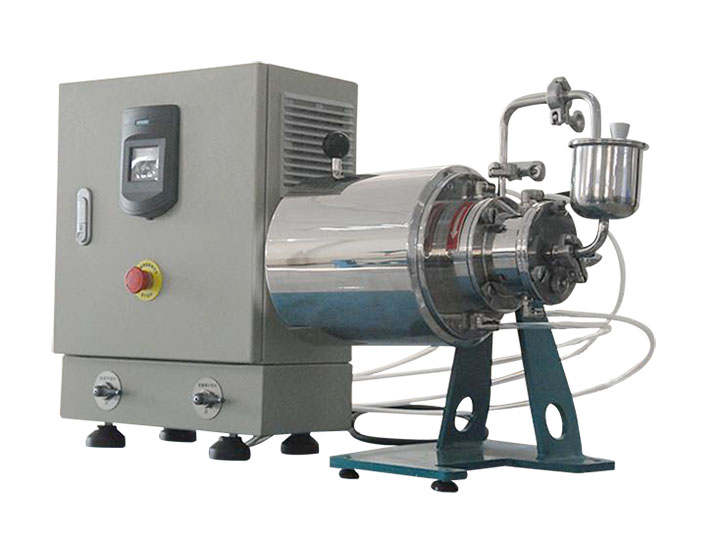
A basket mill lowers a grinding head into an existing batch, so you can disperse and grind in one vessel. Laboratory bead mills — 0.3L to 1L — are the standard tool for formulation work and scale-up trials.
Dry Grinding Mills
Jet mills
Airflow crushers use compressed gas to accelerate particles into each other. No media, no contamination from beads, and very fine results — but energy-hungry and best suited to low-volume, high-value powders.
Vibration mills and dry ball mills
A vibrating cylinder full of rods or balls grinds powder without any liquid. Xinyang's ZM series dry nano mills accept feed up to 25mm and discharge at 500–800 nanometres, with capacities from 0.1 to 16 tonnes per hour depending on the model. They are widely used for metallurgy, mining, building materials, chemical and refractory powders, abrasives, graphite, glass and ceramics.
How to Compare Grinding Mills Fairly
Price per unit tells you very little. The comparison that matters is cost per tonne of product at the required fineness.
|
Comparison factor |
What to check |
|
Energy per tonne |
Motor kW divided by realistic hourly output |
|
Media consumption |
Wear rate of beads or liners, in ppm |
|
Cooling load |
Chiller capacity needed to hold your temperature ceiling |
|
Uptime |
Seal life, separator cleaning interval, spare part lead time |
|
Scale-up fidelity |
Whether the pilot machine and the production machine share geometry |
|
Contamination risk |
Wetted materials — steel, ceramic, polyurethane |
A Short Selection Walkthrough
Take a typical case: an automotive topcoat that must reach 5μm with a 20μm feed, 2,000 CPS viscosity, 800L batches.
1. Fineness band points to a disc bead mill.
2. Batch size and viscosity point to a production chamber in the 30–60L class running in circulation mode.
3. Colour purity is not critical, so a wear-resistant steel internal set is acceptable.
4. Cooling: plan a chiller sized to the motor, not to the chamber.
The same logic applies whether the product is ink, battery slurry or pesticide. Only the fineness band and the wetted-material choice change.
Where Xinyang Equipment Fits
Wuxi Xinyang Equipment Technology Co., Ltd. manufactures across the wet and dry grinding spectrum rather than specialising in a single family. The company's product range includes sand mills, ball mills, airflow crushers, roller crushers, jaw crushers, mixers, double planetary mixers and emulsifiers — which means a buyer can source a matched grinding and mixing train from one supplier instead of stitching together three.
Wet grinding fineness spans 10 microns to 50 nanometres, with grinding media down to 0.05mm. Machines carry a one-year after-sales service period and are designed for at least three years of service.
What to Send With Your Enquiry
To get a usable recommendation rather than a catalogue page, send:
• Target D50 and the current feed particle size
• Viscosity or moisture content of the material
• Batch size, or required tonnes per hour
• Solvent type, if wet
• Any colour or metal-contamination limit
Contact Xinyang Equipment at shen@xinyang-mill.com or +86 18051935350.



 +86 18051935350