Comprehensive Analysis of Emulsifiers: Principles, Types, and Application Selection Guide
Release time:2026-01-30 Visits:2289
An emulsifier is a high-efficiency industrial equipment specifically designed to uniformly disperse immiscible liquids (such as oil and water) through physical force, forming stable and fine emulsions. Its core function is to achieve a level of fineness and stability that ordinary mixing equipment cannot reach through high-speed shearing, dispersing, and mixing. It is widely used in industries such as food, cosmetics, pharmaceuticals, and chemicals.
1. Core Working Principle
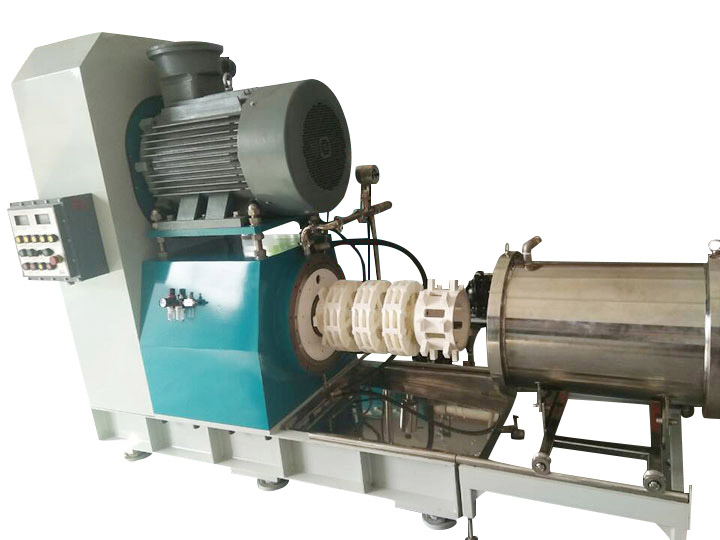
Emulsifiers operate based on high-intensity shear force and hydrodynamic effects. Materials move at high speed in the narrow gap between multi-layer rotors and stators, creating strong hydraulic shear, turbulence, and cavitation effects. This process forces droplets to break down to the micrometer or nanometer level, and through the combined effects of centrifugal extrusion, collision, and grinding, achieves thorough uniform mixing and refinement of materials.
2. Main Types and Characteristics
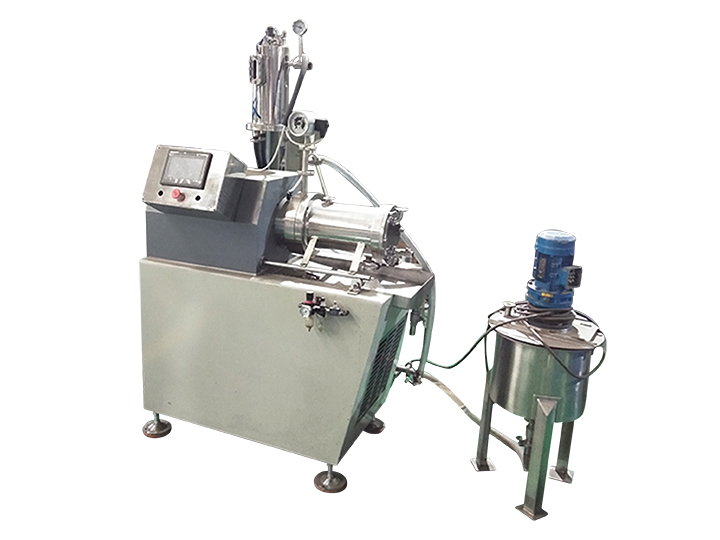
1. High-Speed Shear Dispersion Emulsifier: Suitable for large-scale continuous or batch production, commonly used in industries such as coatings, inks, pesticides, and food sauces (e.g., mayonnaise).
2. High-Pressure Homogenizer: Forces materials through narrow gaps at high pressure, utilizing cavitation effects to achieve nanoscale emulsification. Mainly used in dairy products, beverages, pharmaceutical injections, and high-end cosmetics.
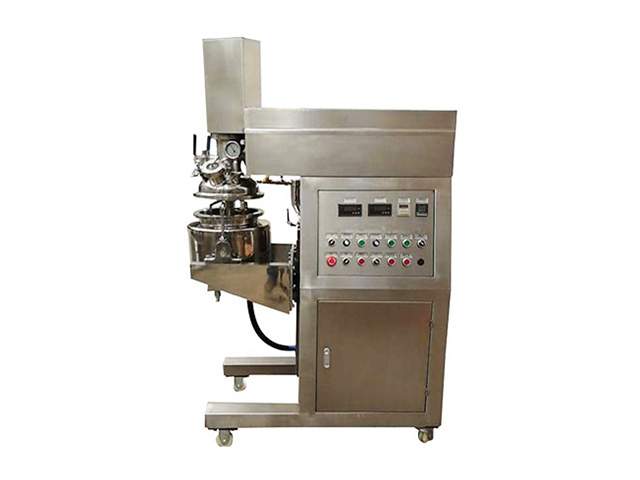
3. Vacuum Homogenizing Emulsifier: Operates in a closed vacuum environment, capable of removing bubbles and preventing oxidation. Suitable for high-demand products such as creams and ointments.
4. Colloid Mill: Processes high-viscosity materials through grinding disc shearing, such as jam, sesame paste, and chocolate.
5. Laboratory Emulsifier: Used for research and development and small-scale trial production, supporting formula optimization and quality control.
3. Industry Application Value
Emulsifiers not only achieve mixing but also significantly improve product quality:
- Stability: Prevents oil-water separation and precipitation, extending shelf life.
- Texture and Mouthfeel: Imparts a fine and smooth texture to products, such as ice cream and creams.
- Functional Release: Promotes the absorption of active ingredients in pharmaceuticals and cosmetics.
- Production Efficiency: Greatly shortens mixing time and adapts to continuous production needs.
4. Key Factors for Selection
Selecting an emulsifier requires comprehensive consideration of:
1. Material Properties: Including viscosity, pH value, temperature sensitivity, and solid content.
2. Processing Scale: Choose according to R&D (upgrade), pilot-scale (50-500 liters), or large-scale (ton-level) requirements.
3. Emulsification Precision: Micrometer or nanometer fineness requirements determine the equipment type (e.g., high-pressure homogenizers have higher precision).
4. Process Mode: Batch processing or online continuous production.
5. Material Hygiene Standards: The food and pharmaceutical industries require SUS 316L or 304 stainless steel to ensure corrosion resistance and surface polishing requirements.
6. Control Functions: Pay attention to temperature regulation, stirring speed, vacuum system, and automation level.
5. Development Trends
Emulsification technology is evolving towards intelligence and greenization: Integrating AI control to achieve adaptive parameter adjustment; using environmentally friendly emulsifiers and low-energy designs to reduce environmental impact; multi-functional equipment meets cross-industry needs, such as pharmaceutical targeted preparations and precision chemical applications.
As a core equipment in modern industry,
emulsifiers continue to expand their technical depth and application breadth, providing key support for product innovation and quality upgrading. Reasonable selection and operation can significantly improve production efficiency and product competitiveness.


 +86 18051935350
 Current
location:Home > Comprehensive Analysis of Emulsifiers: Principles, Types, and Application Selection Guide
Current
location:Home > Comprehensive Analysis of Emulsifiers: Principles, Types, and Application Selection Guide