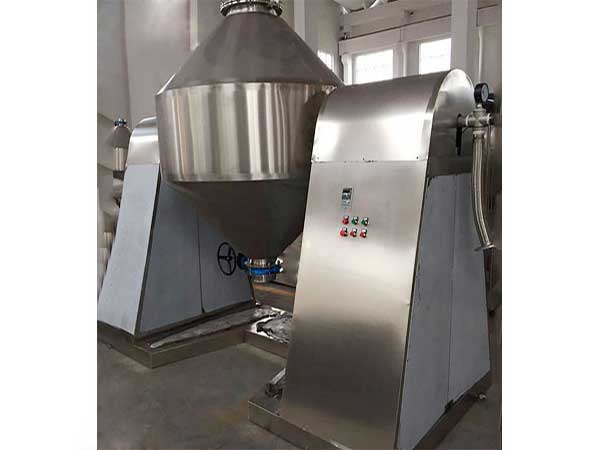
Dough mixers are core equipment in the food processing industry, specifically designed for mixing fillings, sauces, and granular materials to achieve efficient and uniform mixing through mechanical agitation. They are widely used in catering, food manufacturing, and home kitchens, enhancing production efficiency and hygiene standards. Below is a detailed analysis of dough mixers.
Main Types and Features
Dough mixers are categorized into various types based on structure and function to meet the needs of different scenarios.
- Vertical Dough Mixer: Adopts a vertical spiral stirring design, suitable for small-batch production, commonly used in restaurants or home kitchens, featuring easy operation and small space occupation.
- Horizontal Dough Mixer: Uses a horizontal shaft stirring method, with larger capacity and better mixing uniformity, ideal for large-scale production in food factories or central kitchens.
- Vacuum Dough Mixer: Can vacuumize during the stirring process to prevent food oxidation and spoilage, improving filling compactness and freshness retention. It is commonly used in the production of meat products (such as sausages, meatballs) and frozen foods (such as dumplings, buns).
- Dual-Shaft Dough Mixer: Achieves higher mixing efficiency through the opposite rotation of double propellers, suitable for large-scale processing needs, ensuring rapid and uniform integration of materials.
Core Working Principle
Dough mixers achieve uniform mixing by stirring, kneading, and extruding materials through mechanical forces (such as propellers, augers, or paddles). The basic process includes:
1. Feeding: Put main ingredients (such as minced meat, chopped vegetables) and auxiliary materials (seasonings, water, starch, etc.) into the hopper in proportion.
2. Stirring and Mixing: The motor drives the stirring device to rotate, making materials fully integrate through shearing, convection, and diffusion. Some models support alternating forward and reverse rotation to avoid agglomeration or accumulation.
3. Function Expansion: High-end models may integrate vacuum, chopping, or temperature control functions to adapt to special processes (such as emulsification, fresh-keeping).
4. Discharging: After mixing, the materials are discharged through an inclined hopper or bottom valve to ensure efficient and continuous production.
Application Scenarios
Dough mixers play a key role in multiple fields:
- Food Processing Industry: Used for mass production of meat products (sausages, ham, meatballs), frozen foods (dumplings, bun fillings), sauces (chili sauce, seasoning sauce), and snack foods (rice crust, sesame balls).
- Catering Chains and Central Kitchens: Efficiently process pre-made dish fillings, improve standardized production efficiency, and meet large-scale demand.
- Home Kitchens: Small household models support DIY food making, such as glutinous rice cakes and mooncake fillings, convenient for home users.
Usage and Maintenance Recommendations
To ensure the long-term stable operation of the dough mixer, the following matters should be noted:
- Capacity Control: Avoid overloading. It is recommended that the load does not exceed 80% of the rated capacity to protect the motor and extend the equipment life.
- Cleaning and Maintenance: Thoroughly clean the hopper and stirring parts after use to prevent deterioration of residues; regularly lubricate bearings and check the motor status to maintain hygiene and performance.
- Parameter Adjustment: Rotational speed (via inverter) or hopper inclination can be adjusted according to material characteristics to optimize mixing effect and adapt to different food materials.
Purchase Considerations
When choosing a dough mixer, it is necessary to consider production demand, process complexity, and budget:
- Small catering or home scenarios can choose vertical models, which are economical and practical.
- Large food processing plants need to prioritize horizontal or dual-shaft models to meet efficiency requirements.
- For meat product production with high freshness requirements, vacuum dough mixers should be selected to ensure product quality.
Dough mixers significantly improve mixing efficiency and hygiene standards through mechanized operations, and are key equipment in modern food processing, helping the industry achieve efficient and standardized production.



 +86 18051935350