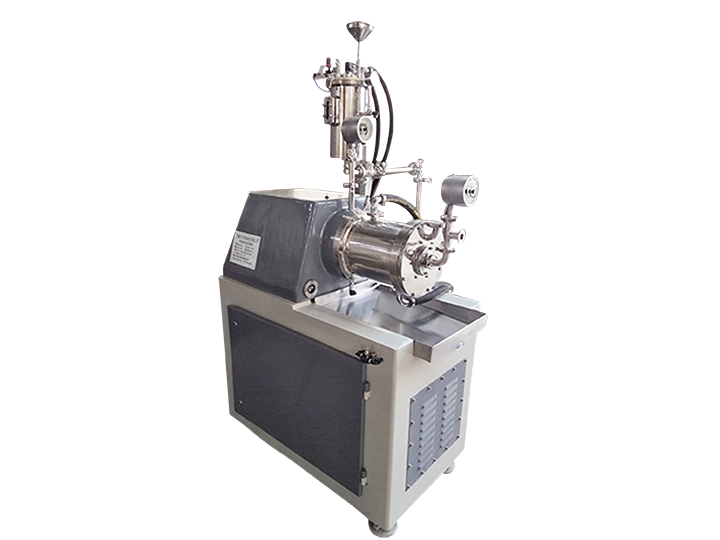
Technical Analysis of Industrial Sanding Machines: In-depth Guide to Selection and Process Cost Analysis
Industrial sanding machines are core equipment for surface treatment of metal and non-metal materials. They form uniform textures through mechanical or chemical methods, significantly improving the wear resistance, slip resistance, aesthetics, and corrosion resistance of materials. This article provides comprehensive selection and process references from multiple dimensions, including technical characteristics, equipment capacity, cost control, and alternative technologies.
1. Technical Characteristics and Texture Control
Industrial sanding machines adopt a multi-grit abrasive grading process to achieve precise control of surface sand textures. The abrasive belt number (such as 320, 400) directly determines the texture thickness: the larger the number, the finer the sand texture. For example:
- Snowflake sand (NO4 standard) requires a 400-grit belt to form intermittent textures;
- Regular wire drawing often uses a 320-grit belt to create continuous and uniform lines.
The processing flow includes belt replacement, oil injection, wire drawing, degreasing, cleaning, and film application. The surface cleanliness requirements are extremely high (no sweat stains, fingerprints, or chalk marks allowed) to ensure the finished product is free from defects such as scratches, sand holes, or grinding head marks.
2. Equipment Development and Capacity Improvement
The industry has significantly improved processing capacity by introducing new wide-format production lines. For example, a 1500mm wide stainless steel sanding and embossing integrated machine can handle large-format sheets (up to 1500mm in width and 0.4–3.0mm in thickness) and supports custom mixed sand textures (e.g., snowflake sand + wire drawing). Such equipment not only enhances productivity and processing precision but also meets the differentiated needs of fields such as architectural decoration, food processing equipment, and precision parts.
3. Cost Composition and Quality Control
Processing costs are affected by multiple factors:
- Material: Special materials like 304 stainless steel have higher costs;
- Thickness: The processing price for regular thickness (0.3–2mm) flat sheets is usually tens to hundreds of yuan per square meter, with additional charges for extra-thick (up to 20mm) or ultra-thin sheets;
- Sand texture type: Complex textures (e.g., mixed sand) incur higher costs;
- Order size: Large-volume orders can reduce unit costs.
Quality evaluation should comprehensively consider sand texture uniformity, delivery cycle, and after-sales service, not just rely on quotations. Although high-quality suppliers may have slightly higher unit prices, they can avoid rework risks and achieve higher cost-effectiveness.
4. Comparison of Alternative Technologies
1. Magnetic polishing machines: Drive grinding pins via high-frequency magnetic fields to process complex curved surfaces or small parts, suitable for jewelry, precision components, and household hardware, with advantages of high efficiency and strong adaptability;
2. Chemical etching: Forms textures through solution corrosion but requires strict process control, with a high risk of quality issues due to over-corrosion;
3. Traditional sandblasting: Suitable for large-scale standardized production but faces more environmental restrictions and lower flexibility.
5. Selection Recommendations
Selecting an industrial
sanding machine requires comprehensive evaluation based on material characteristics, texture requirements, and production scale:
- Prioritize examining manufacturers' process stability and customization capabilities;
- Request samples to verify sand texture consistency;
- Pay attention to equipment compatibility (e.g., thickness range, sheet size);
- Conduct a comprehensive comparison of costs and service quality to avoid low-price traps.
Through scientific selection and process optimization, industrial sanding machines can provide key support for enterprises to enhance product added value and market competitiveness.


 +86 18051935350
 Current
location:Home > Technical Analysis of Industrial Sanding Machines: In-depth Guide to Selection and Process Cost Analysis
Current
location:Home > Technical Analysis of Industrial Sanding Machines: In-depth Guide to Selection and Process Cost Analysis